

2026.2.20
Shiratama Nurse~China~
International Medical Transportation
Hello there!
2025 flew so fast and now it's 2026. I hope you're all doing well.
Well, I've been slow to update my medical transport blog, but in early December, I transported three patients in one week! It was hectic, but it felt like it was all over in the blink of an eye.
The destination countries were China, Kuala Lumpur, China. All of the patients were returning to their home countries from Japan. As of early December 2025, a visa was not required to enter China, but if you are going to China for work or other reasons, please check beforehand before entering.
Today, I'll focus on one of the three transports.
The patient was hospitalized with traumatic subarachnoid hemorrhage and other brain injuries. The patient had originally come to Japan to care of a grandchild. Among the multiple brain injuries, the patient's frontal lobe was also damaged, so it was not so much a language barrier because the patient cannot speak from the damage. Although the patient was conscious and did not require oxygen administration, the patient was bed ridden with the Fowler position (with his upper body raised 45-60 degrees)since the patient has limbs paralysis, so we asked the patient to make some effort during the transfer with boarding in business class (with full-flat seating) and using a reclining wheelchair for all other travel.
Fortunately, the daughter is a Japanese citizen and can speak Japanese, so we explained in Japanese the process of the medical evacuation, and the family made the arrangements for the transfer to a Chinese hospital and the ambulance for after arrival at the airport in China.
As a general rule, we ask family members to make the arrangements when transferring to a local hospital. This is because reservations can be made more smoothly if a local person contacts the hospital directly, and there is also the advantage of avoiding intermediary fees, which can reduce costs for those in financial difficulty.
Returning to the topic of patient transportation, we can significantly reduce our burden by having the airline cooperate and arranging a reclining wheelchair and transportation support. We contact the airline in advance and make the necessary arrangements. Here is what it actually looked like.
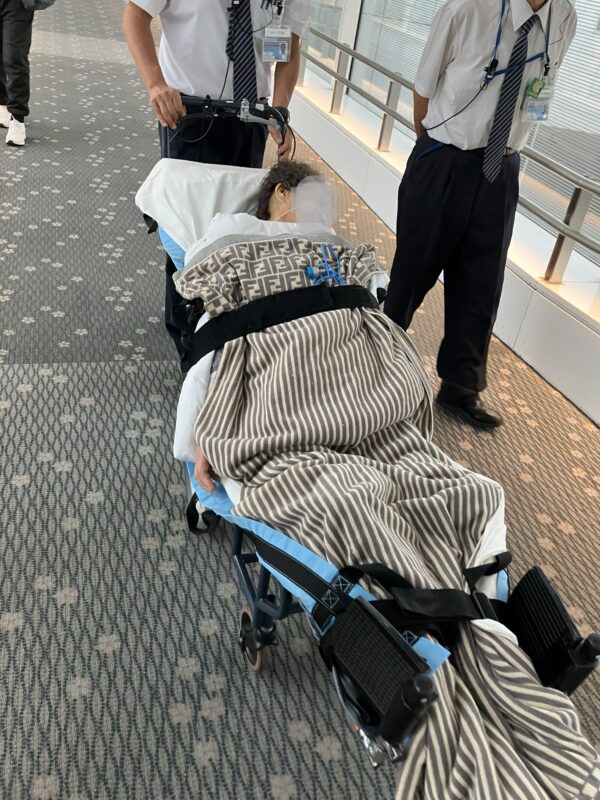
We also need to check with the airline to see if they can provide a reclining wheelchair for patient transport at the airport in Japan, and in this case, at the airport in China as well. Occasionally, they can't arrange one, and in those cases, we need to bring one from our clinic.
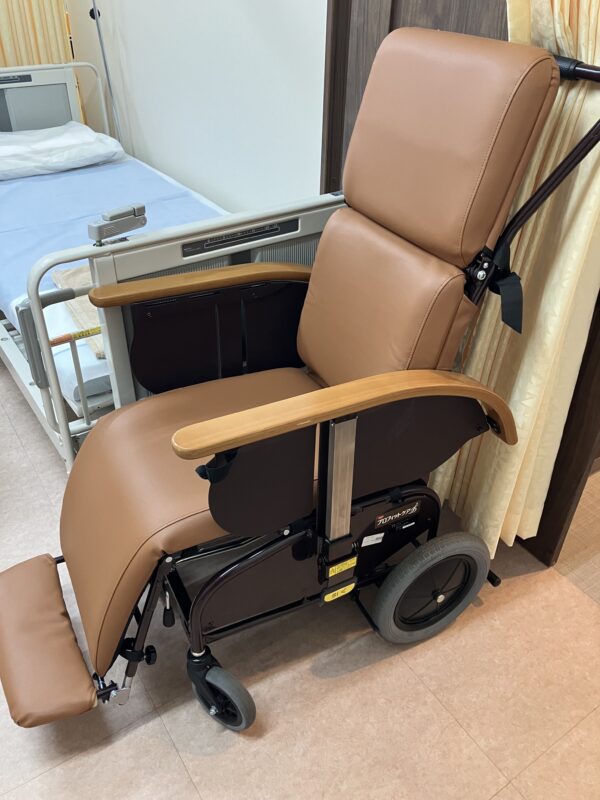
It's foldable, making it ideal for medical transport by air, and the seat material is good, so I think it significantly reduces physical pressures and other burdens. Even just flying can be quite physically draining, so we want to reduce stress for patients as much as possible.
And now, this delicious story in China is about the seafood we ate!
After mission completed, the doctor and I, headed to a restaurant with a fish tank that serves fresh seafood. The doctor and I are big eaters, so we shared four dishes: fried rice, stir-fried celery and shrimp, agar salad with mustard miso, and stir-fried seafood with XO sauce. Everything was delicious and easy to eat, even for Japanese people.
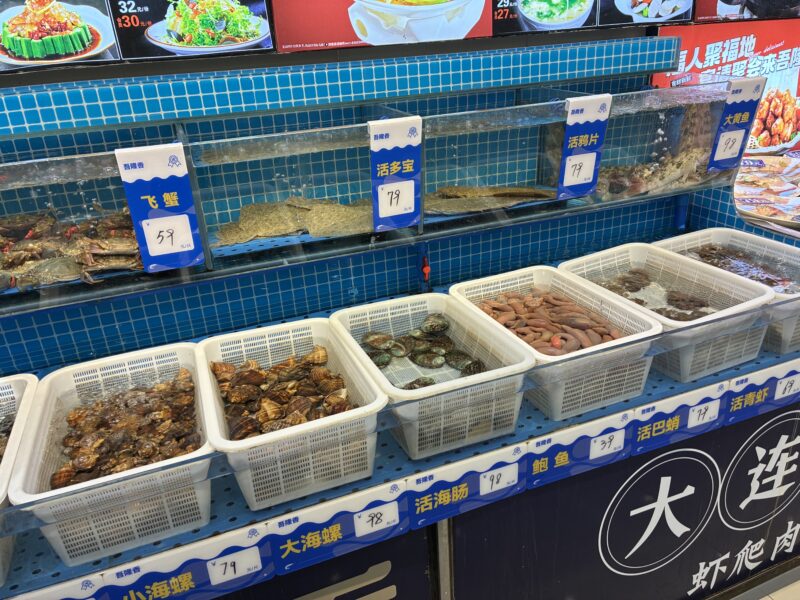
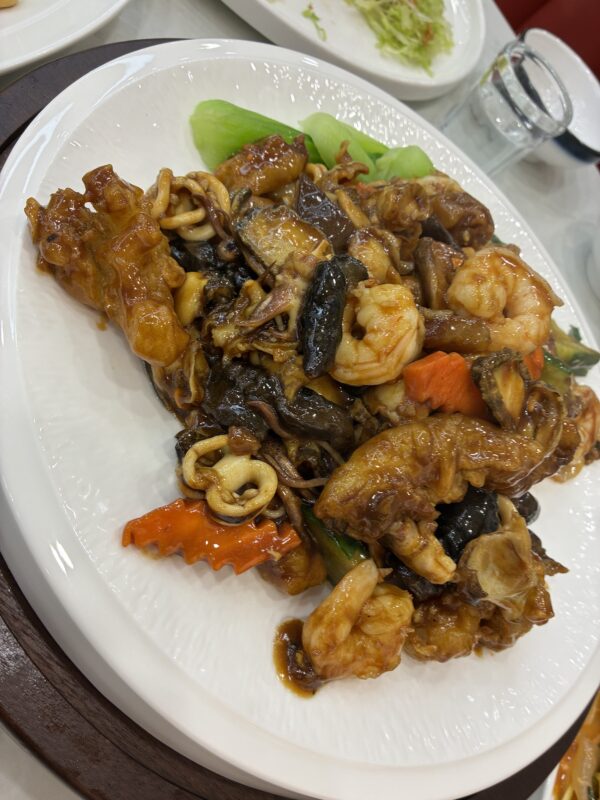
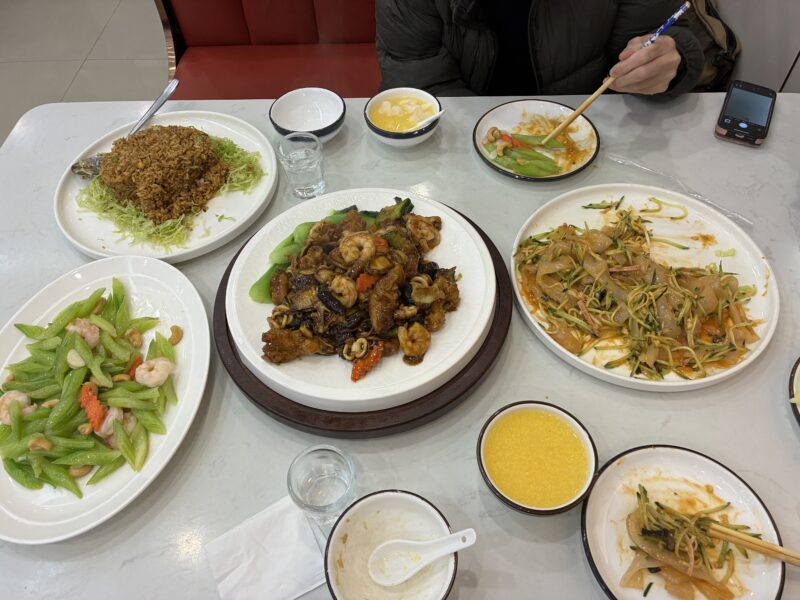
By the way, each plate was much larger in person than it looked in the photos, but of course we ate it all!
Since the beginning of 2026, we've already completed one medical evacuation from Nagano to Australia, and we're currently working on another evacuation, so we'll keep you updated.
This winter is bringing with it drastic climate change, so please be careful not to catch a cold. Type B influenza is also on the rise. Please come see us if you're not feeling well.
All of our staff look forward to seeing you.
See you next time on our blog!